🔰 BEGINNER LEVEL: Frequency Response Basics
What is Frequency Response?
Frequency response shows how loud a system plays each frequency.
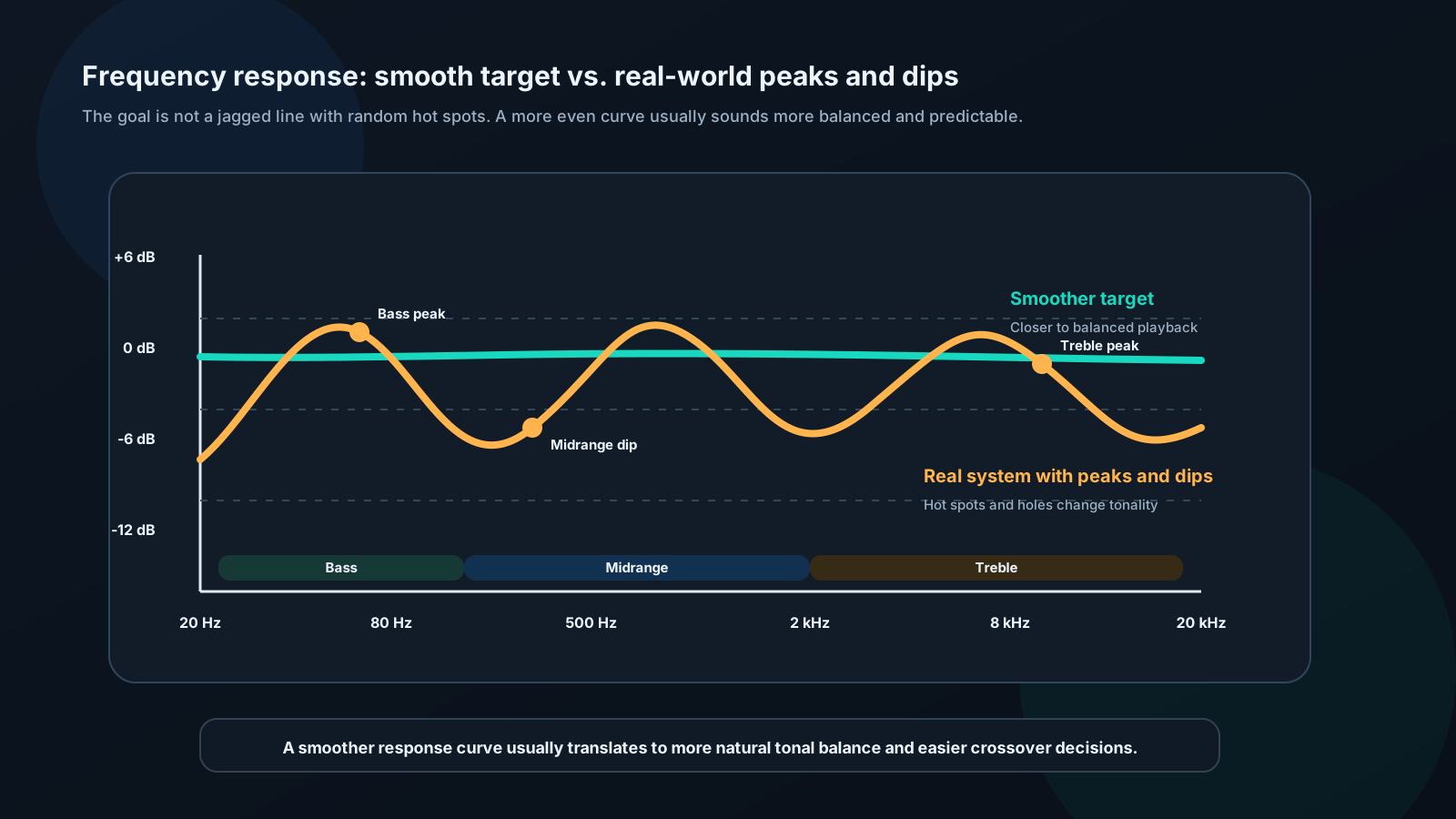
Ideal response: Flat line (all frequencies equal volume) Real systems: Have peaks and dips
Why flat response matters: - Music sounds balanced - Natural tonality - No frequency emphasis/missing - What artist intended
Reading frequency response graphs:
X-axis: Frequency (Hz) - logarithmic scale - 20 Hz (deep bass) to 20,000 Hz (high treble)
Y-axis: Level (dB) - 0 dB = reference - +6 dB = twice as loud - -6 dB = half as loud
Common problems visible: - Peak at 50 Hz: Too much bass - Dip at 3 kHz: Vocals sound recessed - Rolloff above 10 kHz: Lacks sparkle
What Are Crossovers?
Crossover = Filter that sends specific frequencies to specific speakers.
Why needed:
Tweeters can't play bass - they'll break! Subwoofers can't play highs - they're too slow!
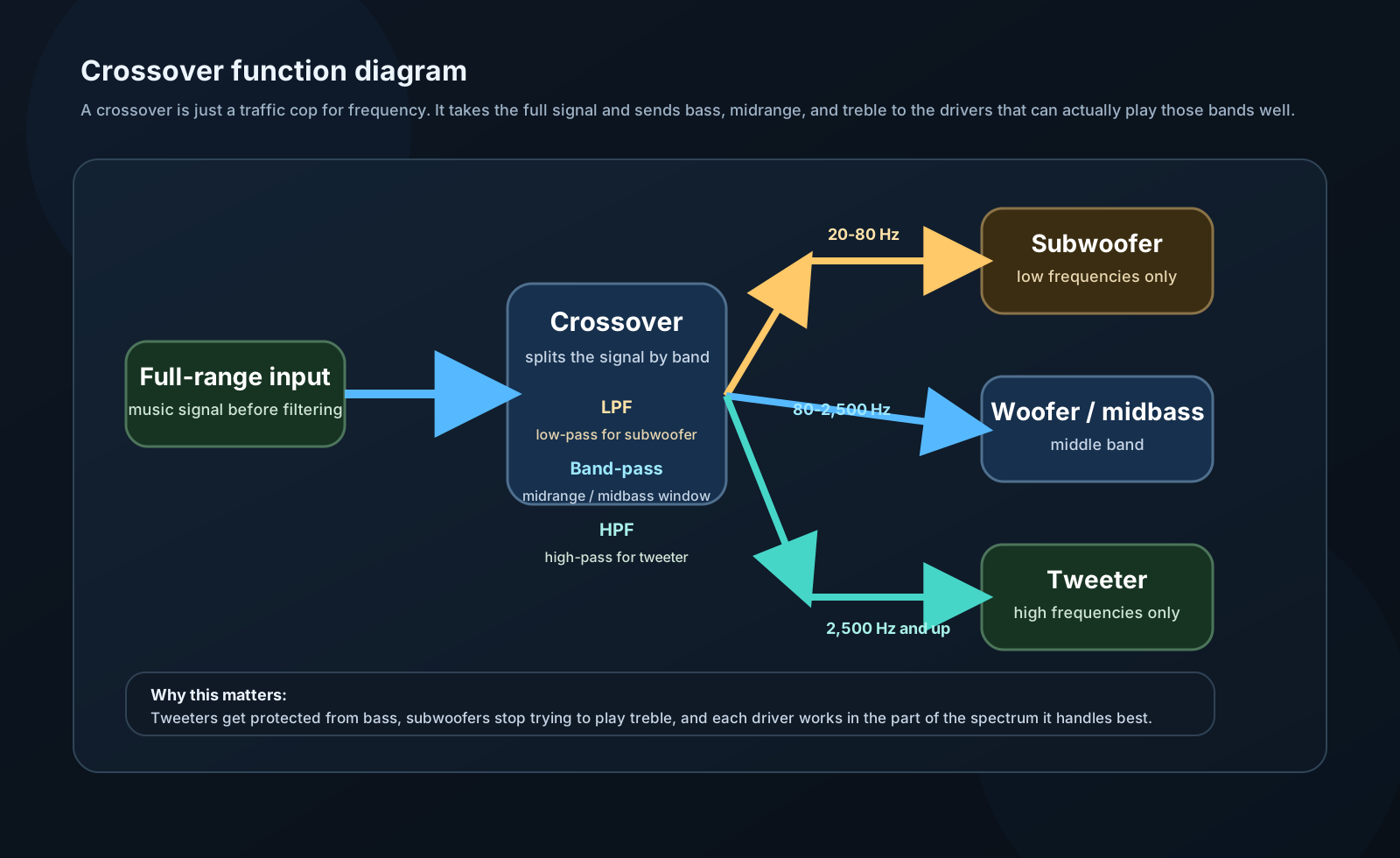
Types of crossovers:
High-pass filter (HPF): - Passes high frequencies - Blocks low frequencies - Used for tweeters and midrange
Low-pass filter (LPF): - Passes low frequencies - Blocks high frequencies - Used for subwoofers
Band-pass filter: - Passes middle frequencies - Blocks highs and lows - Used for dedicated midrange
Crossover Points
Where to cross over?
Rule of thumb: - Subwoofer: 80 Hz (typical for music) - Midbass to midrange: 250-500 Hz - Midrange to tweeter: 2,500-4,000 Hz
Too low crossover: - Speaker tries to play below its range - Distortion - Possible damage
Too high crossover: - Gap in frequency coverage - Thin, unnatural sound
Start with manufacturer recommendations!
Crossover Slope
Slope = How quickly filter attenuates
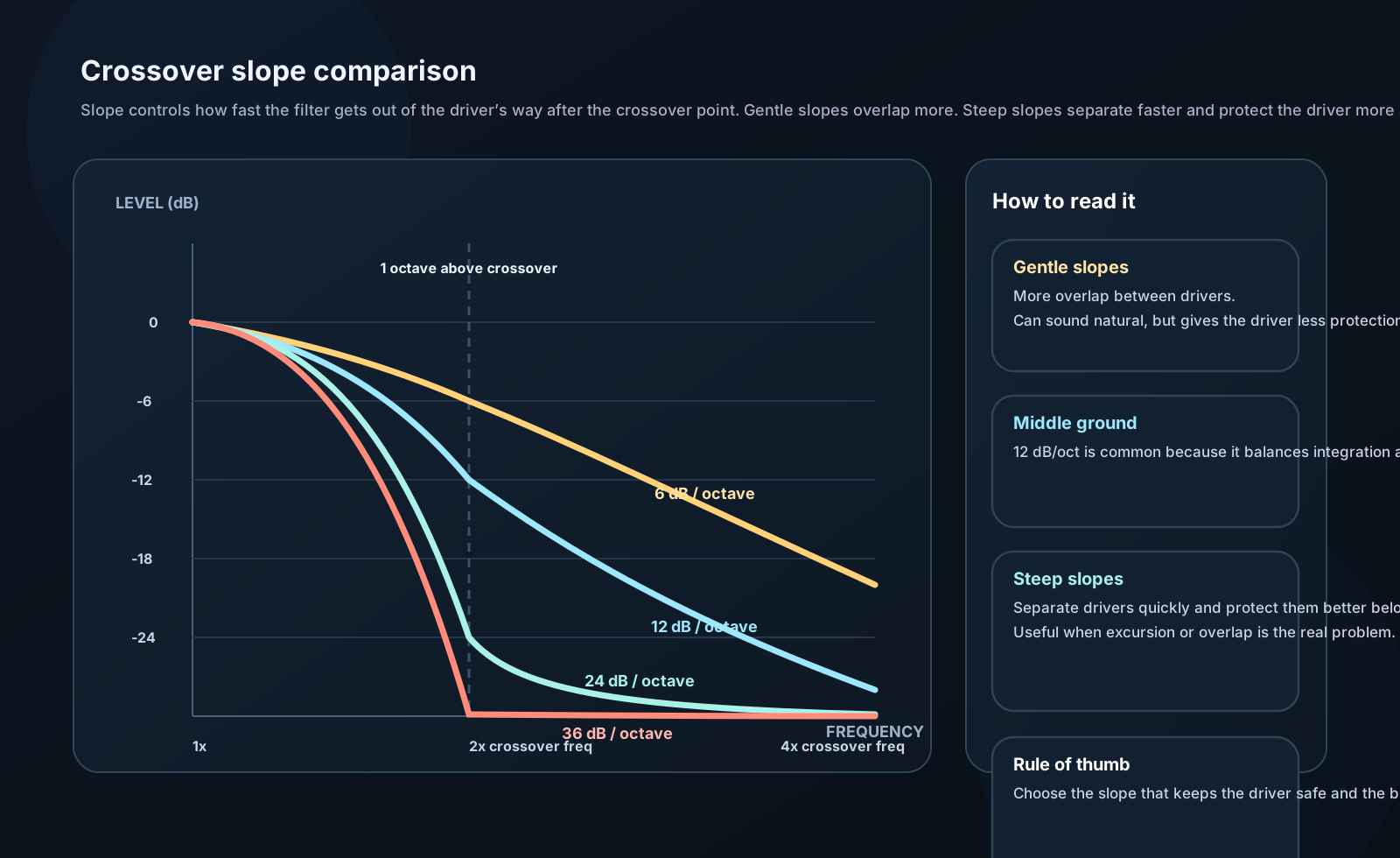
Common slopes: - 6 dB/octave: Gentle, smooth transition - 12 dB/octave: Most common, good balance - 24 dB/octave: Steep, clean separation - 36 dB/octave: Very steep, maximum protection
Steeper slope: - Better speaker protection - Cleaner separation - Less overlap - But can cause phase issues
Gentler slope: - More natural sound - Better integration - More overlap (power handling concern)