
9.4 Electrical Reference Diagrams
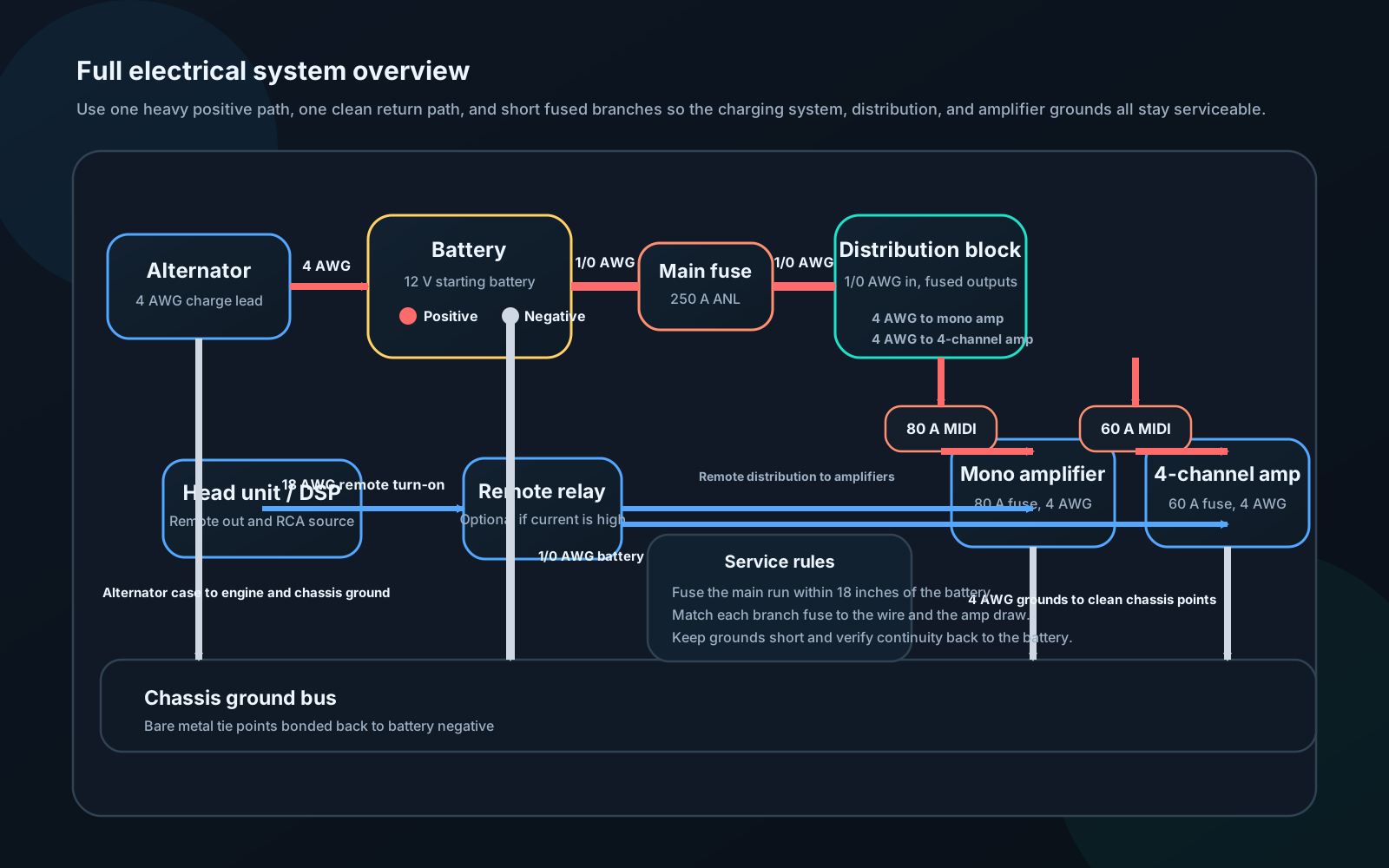
Complete Electrical System Overview
Fuse Types and Applications
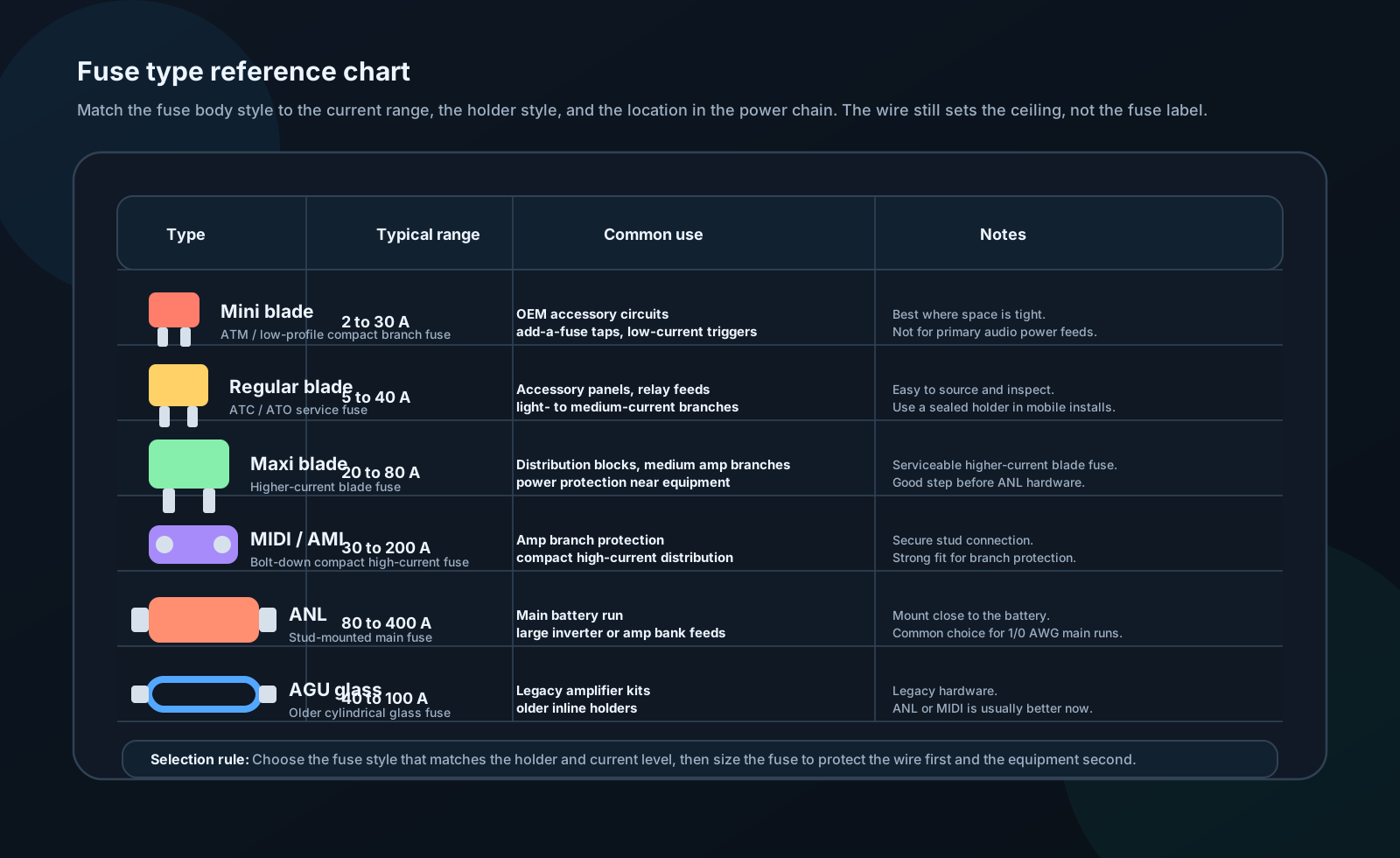
Selection guide:
| Fuse Type | Rating Range | Application |
|---|---|---|
| Mini blade | 2–30A | Accessory circuits, small devices |
| Regular blade | 5–40A | Medium accessories |
| Maxi blade | 20–80A | Single amplifier branch circuits |
| MIDI | 30–200A | Main power wire, mid-power systems |
| ANL | 80–400A | Main power wire, high-power systems |
| AGU (glass) | 40–100A | Inline fuse, moderate systems |
Fuse sizing rule: Fuse protects the wire, not the device. Size fuse for wire rating, not amplifier rating.
Wire ratings at ambient temperature: - 8 AWG: 73A rated → use 60–70A fuse - 4 AWG: 101A rated → use 80–100A fuse - 2 AWG: 130A rated → use 100–125A fuse - 0 AWG: 175A rated → use 150A fuse - 00 AWG: 225A rated → use 200A fuse
Ground Point Reference
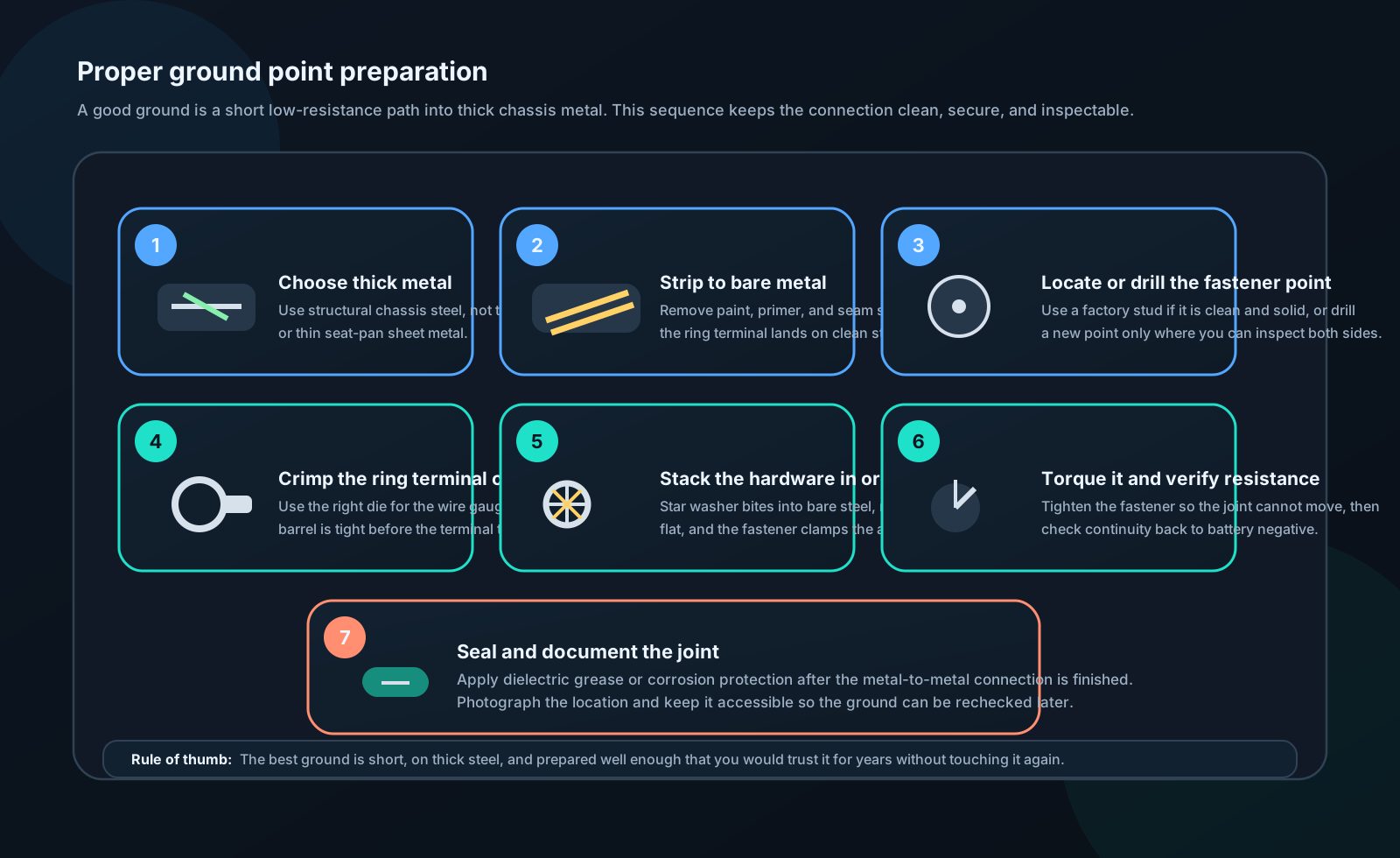
Ideal ground characteristics: - Thick steel (structural body member, not thin sheet metal) - Close to amplifier (shorter wire = less resistance) - Accessible for future inspection - Can be re-prepared if needed
Ground point locations by vehicle area:
| Vehicle Area | Good Ground Points |
|---|---|
| Trunk | Trunk floor structural member, spare tire well reinforcement |
| Under rear seat | Floor pan structural rail |
| Behind rear seat | B-pillar base |
| Under front seat | Floor pan reinforcement |
| Under dash | Steering column support, firewall reinforcement |
Never ground to: - Thin sheet metal (high resistance, flexes) - Body filler or rust - Existing factory ground with already-high current (shared impedance noise) - Painted surfaces without removing paint first
Big Three Upgrade Diagram
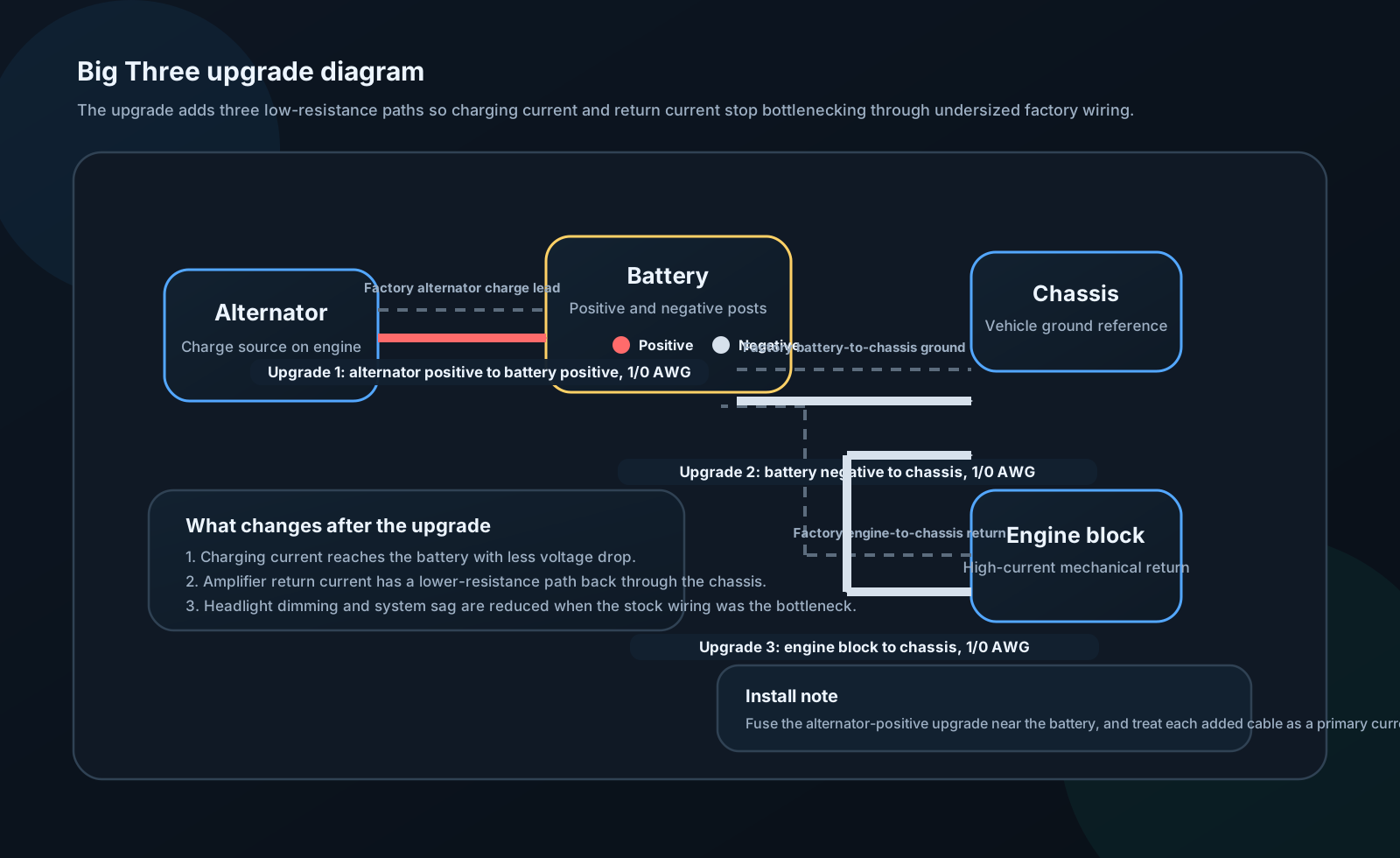
Why the Big Three matters:
The factory wiring between alternator, battery, and chassis was sized for stock electrical loads. Adding 50–200A of audio equipment saturates this wiring:
- Higher resistance = voltage drop under load
- Voltage drop = reduced power to amplifiers
- Reduced power = clipping and distortion
- Voltage fluctuations = alternator whine and noise
Big Three specifications:
| Wire | From | To | Gauge |
|---|---|---|---|
| Alternator output | Alt output stud | Battery positive | 0 AWG |
| Battery ground | Battery negative | Chassis (nearby) | 0 AWG |
| Engine ground | Engine block or transmission | Chassis | 0 AWG |
Result: Stable voltage regardless of audio load. Dramatic improvement in systems above 1000W.